
Projects
-
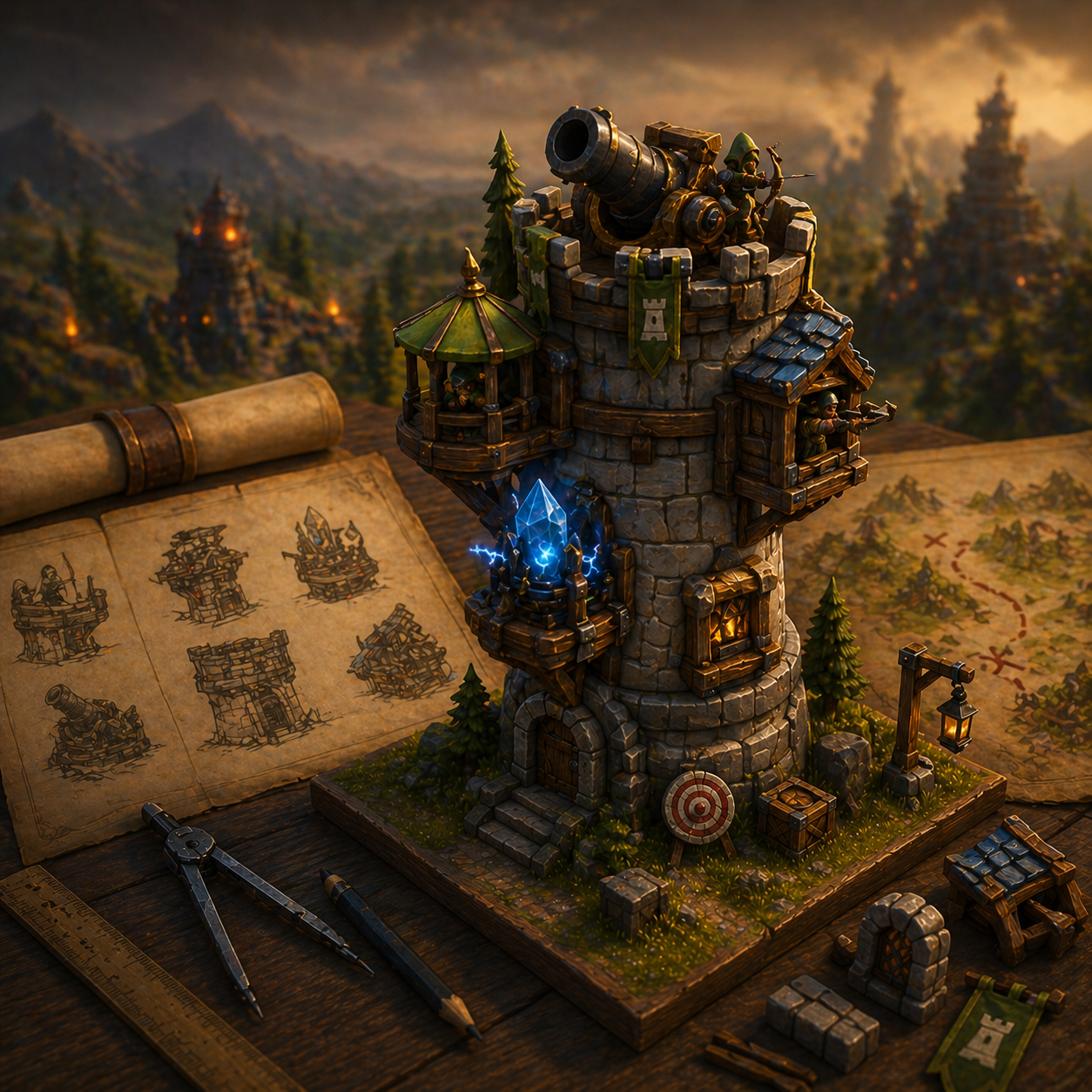
TDB Dev Log – Week 01
Overview This week focused on strengthening the project’s pre-production foundation by refining its visual direction, restructuring the core design documentation, and expanding the planning framework into more complete production documents. A large part of the work went into improving the mood board and visual references, which helped establish a clearer tone for the project while…
-
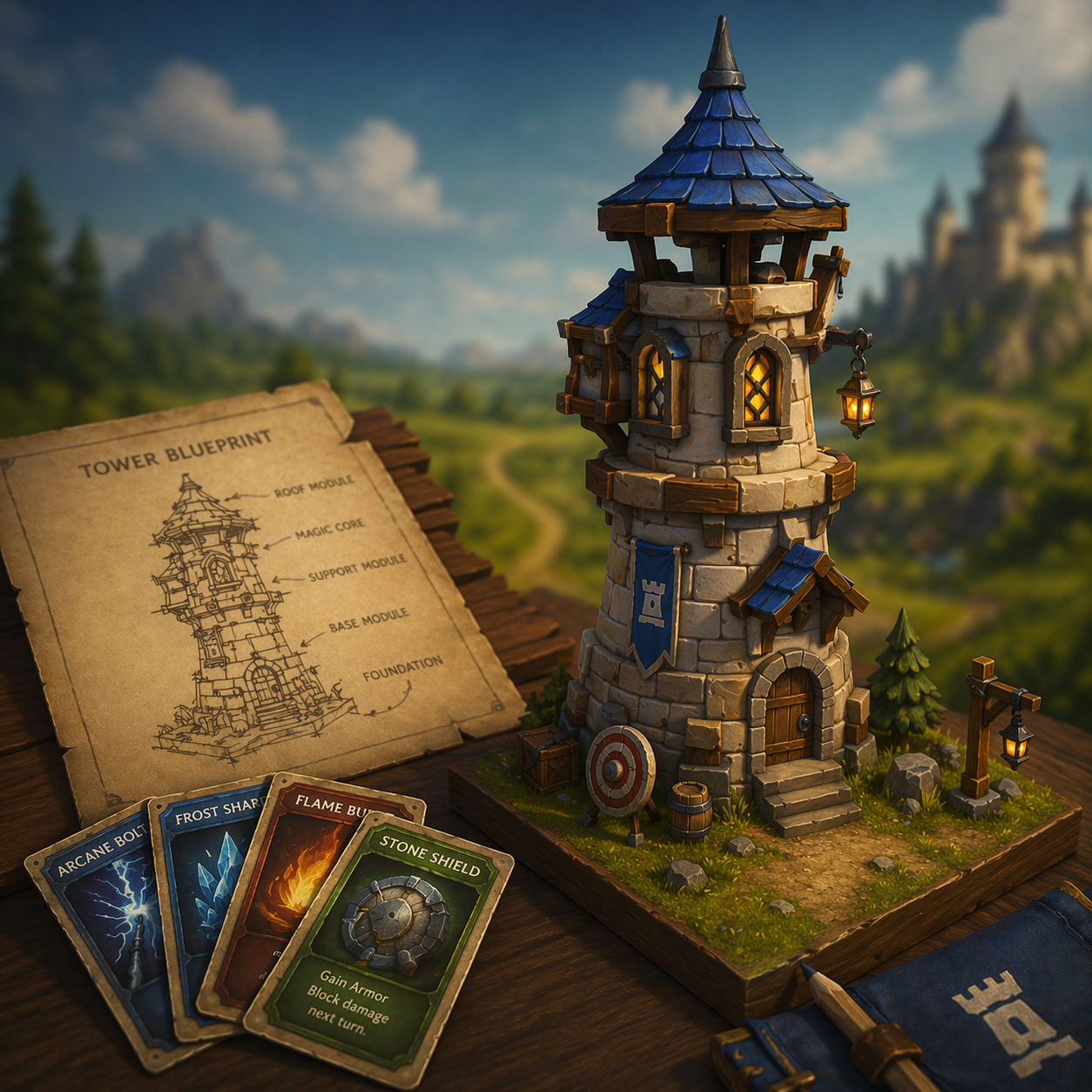
TDB Dev Log – Week 00
Overview This week focused on establishing the foundation for Turret Deck Builder as a new game built from a tower defense and deckbuilder-inspired core concept that was developed as part of big fry’s game jam named Final Draw. The core direction was clarified around deeper build personalization, including modular tower components, deck box bonuses, starter…
-
Maze Dev Log — Shutting Down The Project
Overview After spending time developing the maze project, I decided to officially stop production on it. The original goal was for this project to serve as a full run-through of the development cycle, but over time it became clear that this was not the right game to carry that process forward. The biggest issue was…
-
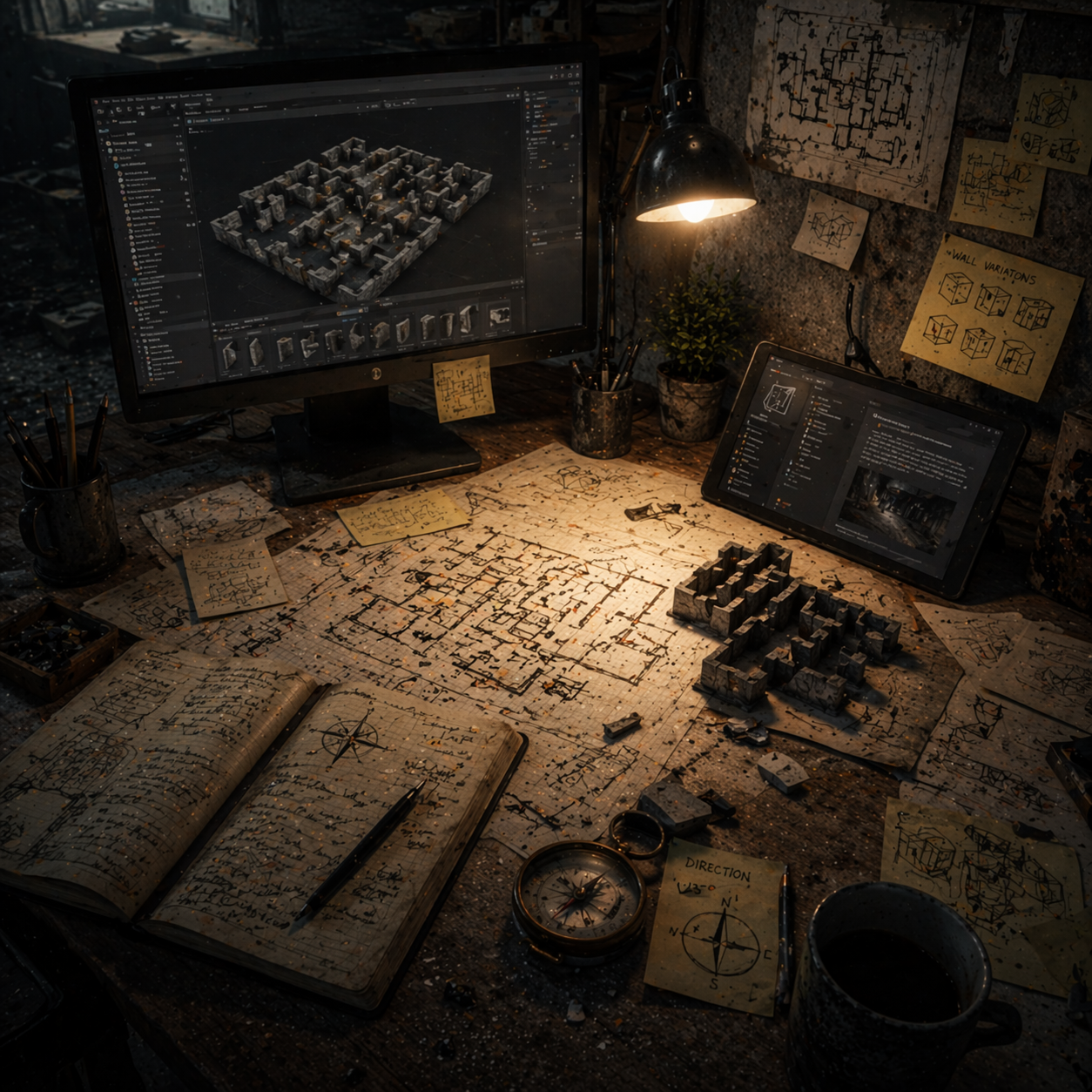
Maze Dev Log — Week 4
Overview This week focused on improving internal development tools and making the maze-building workflow more practical inside the editor. Most of the work went into expanding the room editor utility so room setup could be handled more directly and with less manual setup, while also beginning a reusable in-editor documentation system to support project organization.…
-
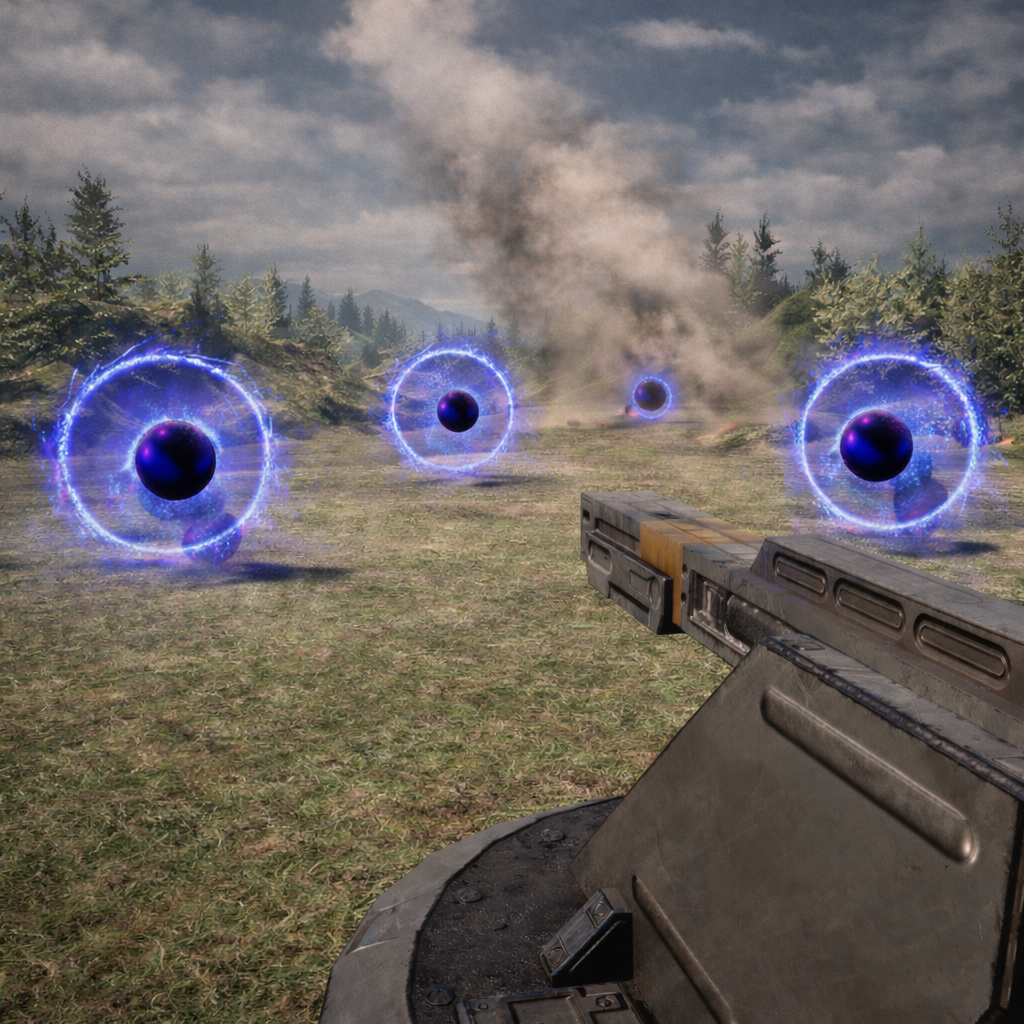
BigFry’s Game Jam Dev Log – Launch Day
Overview Day 7 was focused on launch, submission, and getting the project across the finish line. Most of the work centered on final validation, capturing screenshots and gameplay footage for the Itch.io page, building the release version, and publishing the game before the jam deadline. I also did a few final playthroughs to confirm the…
-
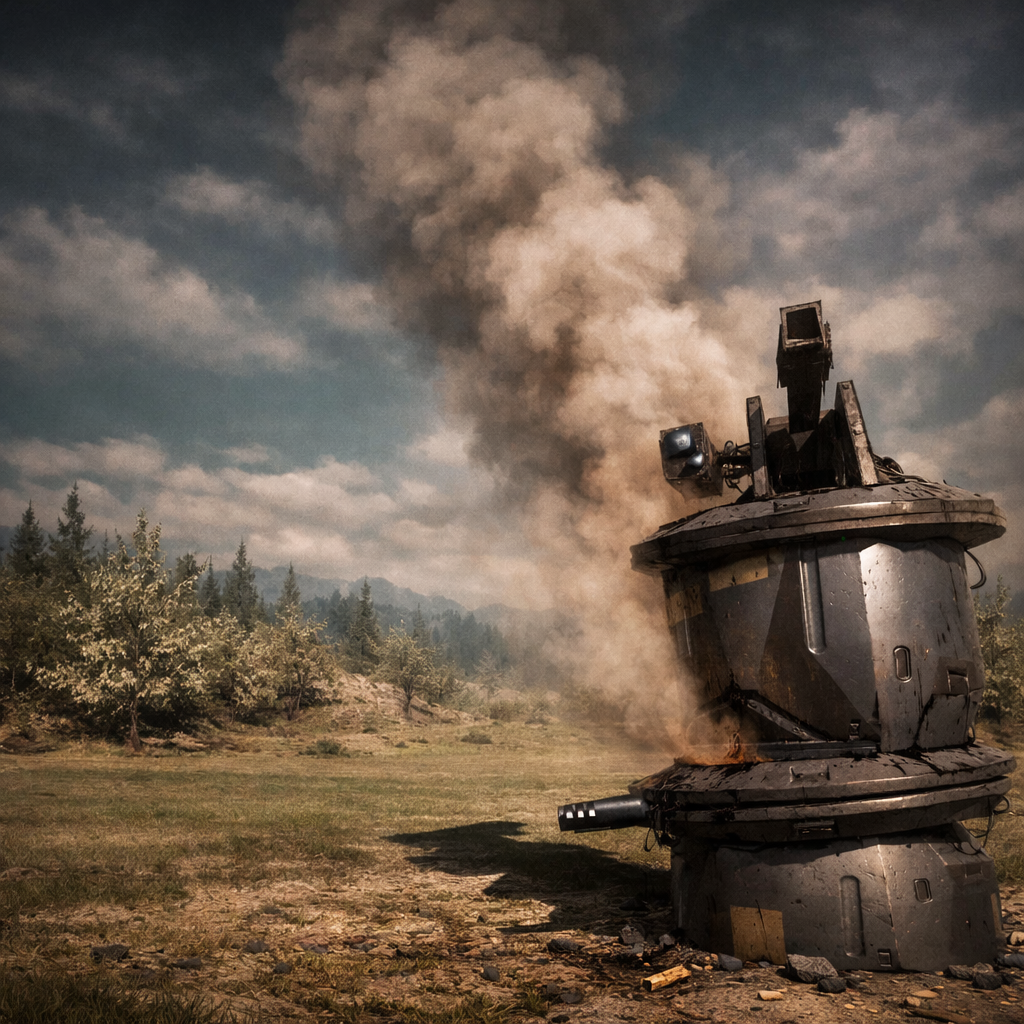
BigFry’s Game Jam Dev Log – Day 6
Overview Day 6 was the major crunch day, with the focus shifting from adding new systems to finalizing presentation, usability, and overall cohesion. Most of the work went into the HUD and UI, where I locked in a visual theme and brought the cards, rewards, menus, and stat panels into a much more unified state.…
-
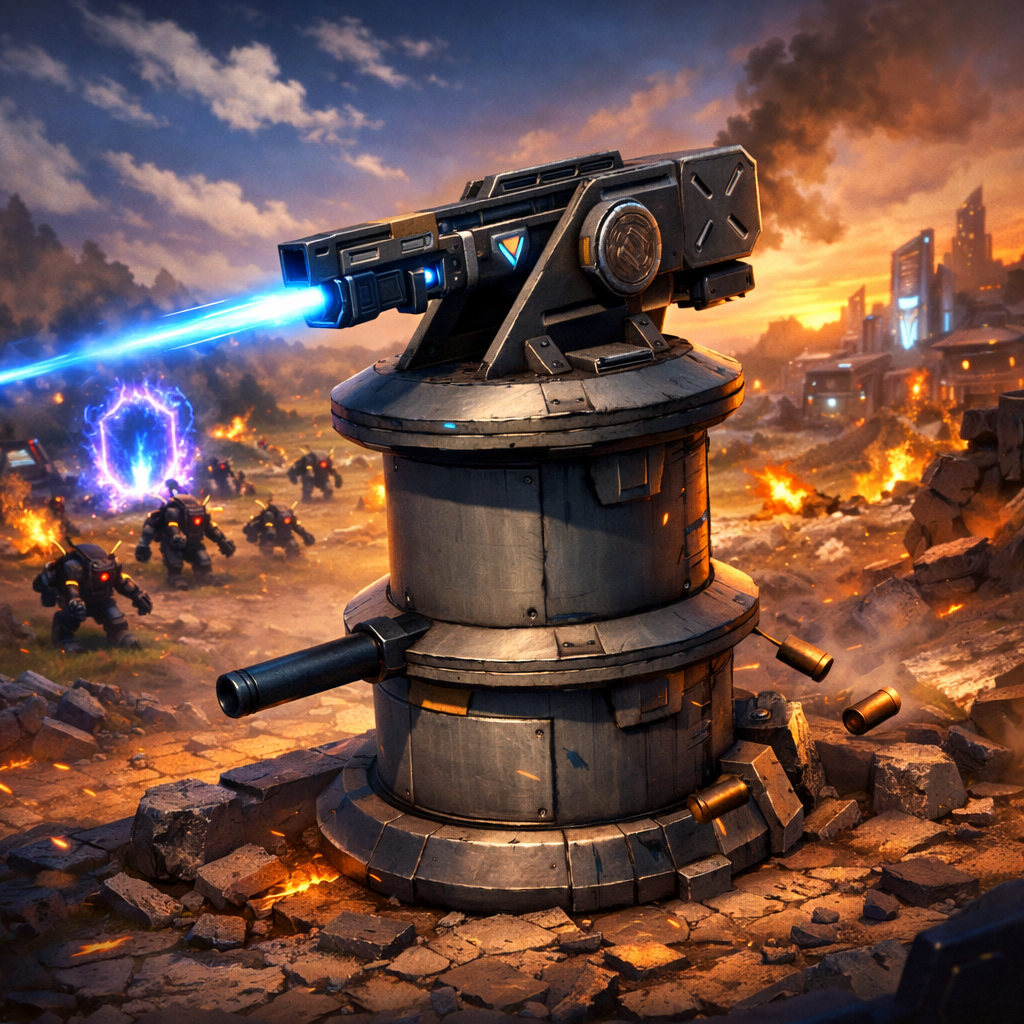
BigFry’s Game Jam Dev Log – Day 5
Overview Day 5 focused on presentation, feedback, and giving the prototype a stronger identity. Most of the work went into audio, visual effects, and early art direction, shifting the game away from a purely functional blockout and closer to a more readable and game-like experience. I also began shaping the overall look toward a semi-futuristic…
-
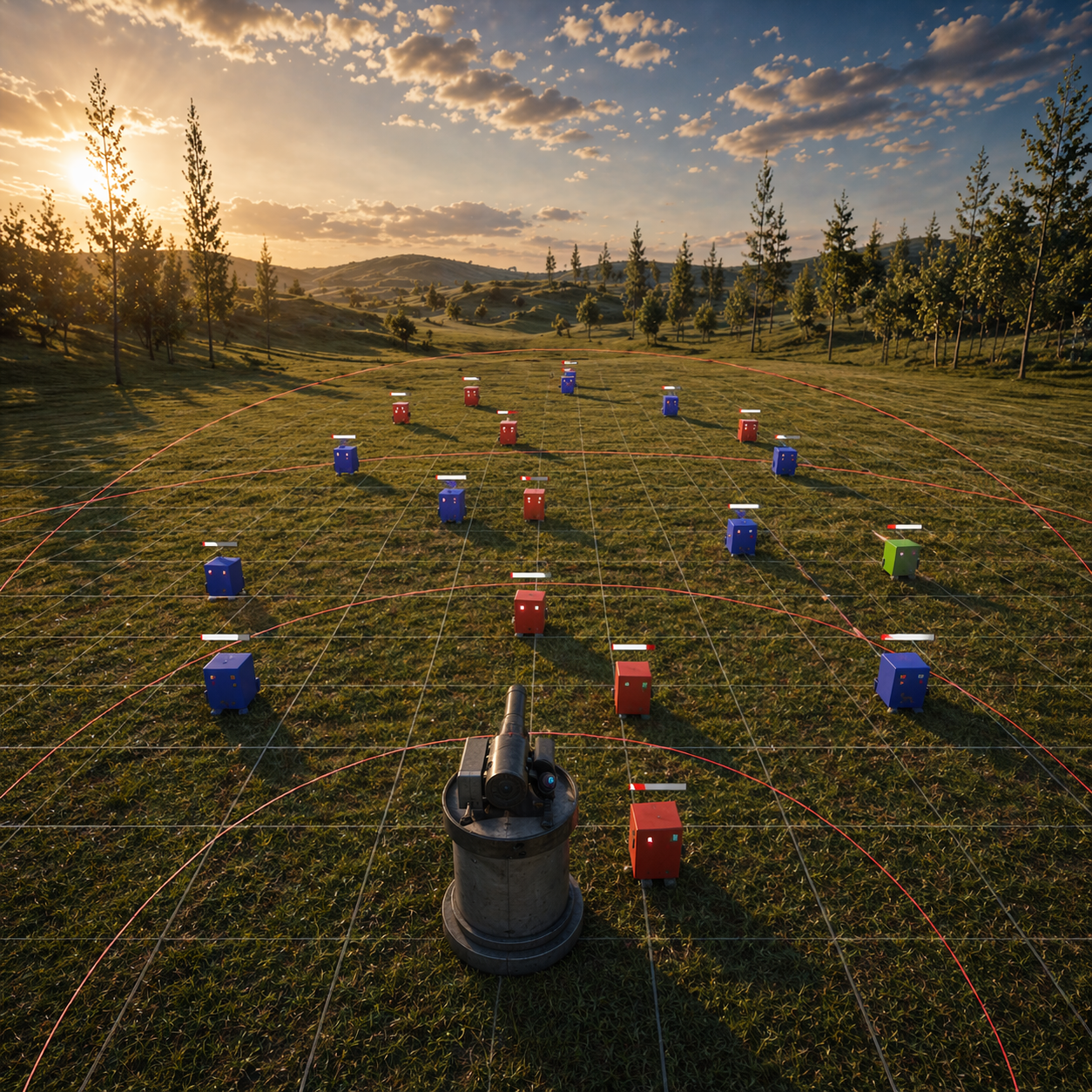
BigFry’s Game Jam Dev Log – Day 4
Overview Day 4 focused on pushing the project closer to a complete, playable jam build. A large part of the work went into replacing temporary debug-facing elements with a more readable gameplay HUD, while also improving flow safety around card play and deck shuffling. I also finished the tower upgrade reward pass, expanded the card…
-
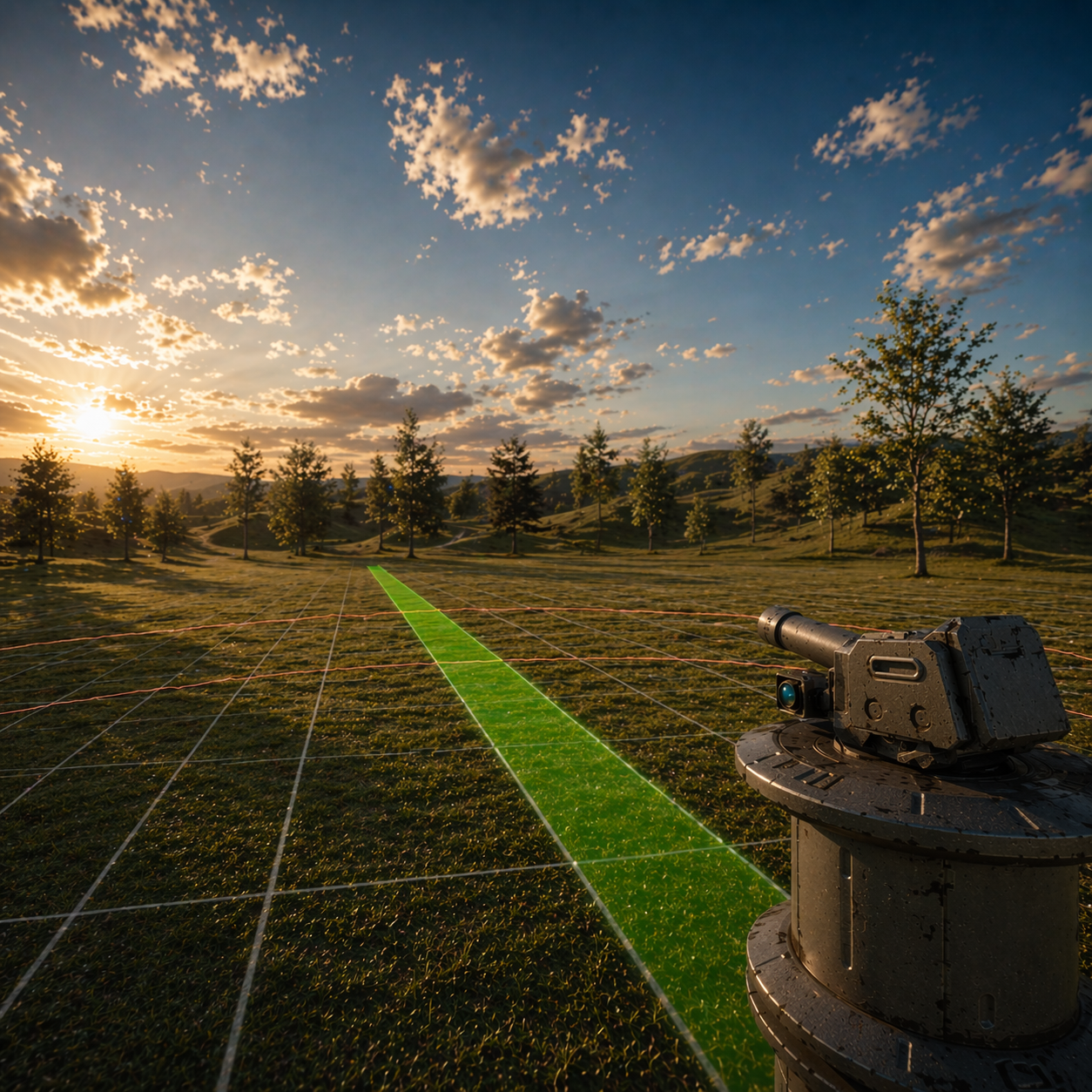
BigFry’s Game Jam Dev Log – Day 3
Overview Day 3 focused on expanding the game from a basic wave-defense loop into something with more tactical variety and better balance. I started with a tuning pass based on playtesting, adjusting energy, hand size, health, and draw pacing to slow the pace down and make decisions more meaningful. From there, most of the work…
-
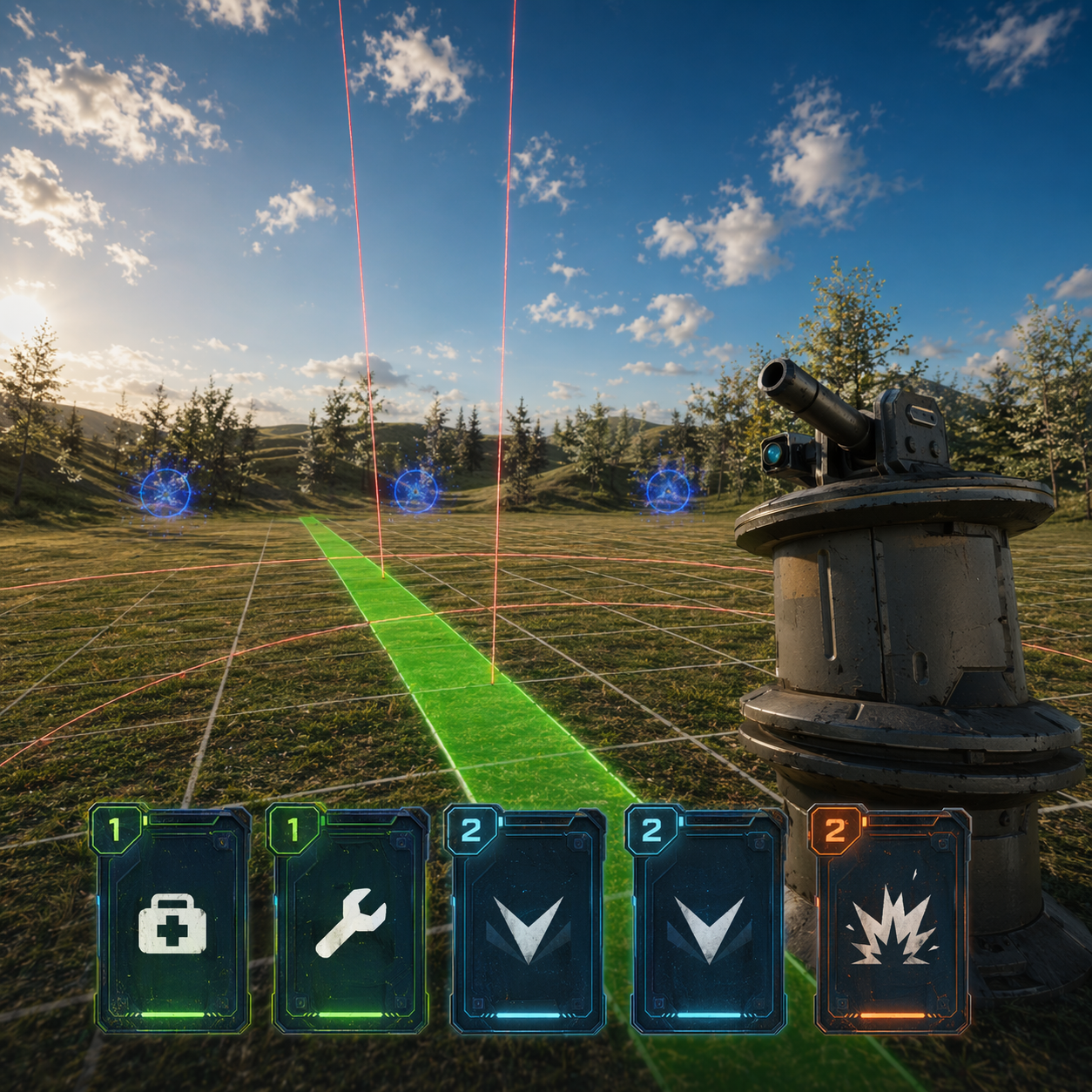
BigFry’s Game Jam Dev Log – Day 2
Overview Today’s work focused on turning the core combat loop into something much closer to a playable game. Wave progression was pushed forward with proper spawning, completion flow, and debug controls, while a first pass of the energy, card, deck, and reward systems was implemented and connected together. On top of that, I added the…
-
BigFry’s Game Jam Dev Log – Day 1
Overview Day 1 was focused on defining the game direction and building the first playable foundation for the project. After brainstorming ideas around the jam theme, Fusion Confusion, the concept was narrowed into a mix of tower defense and deckbuilder mechanics. From there, the project moved quickly into implementation, with a simple test map, a…
-
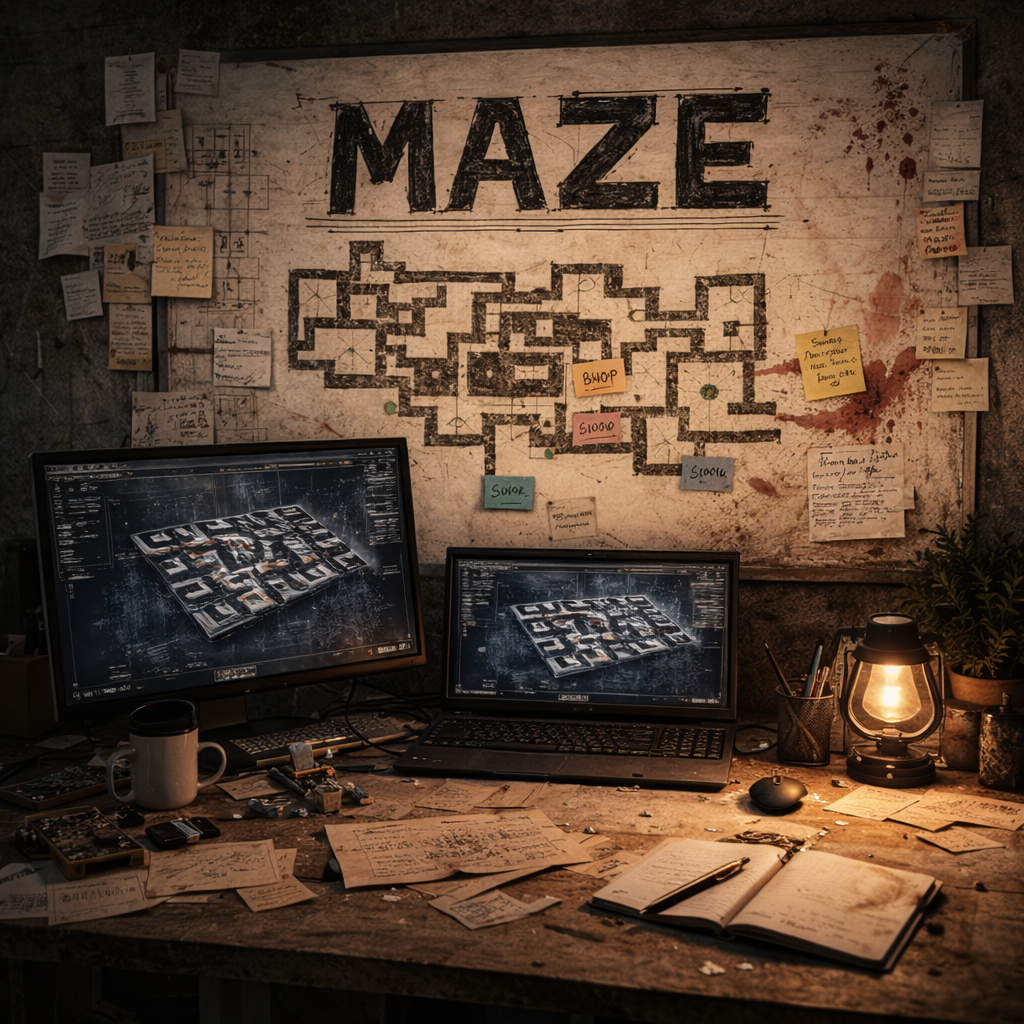
Maze Dev Log — Week 3
Overview This week focused on improving development workflows, stabilizing core systems, and expanding foundational features for the maze generation system. A custom editor utility widget was introduced to streamline room creation, significantly improving iteration speed when building modular room pieces. Alongside this, the save and load system evolved from a simple prototype into a modular…
-
Maze Dev log – Week 2
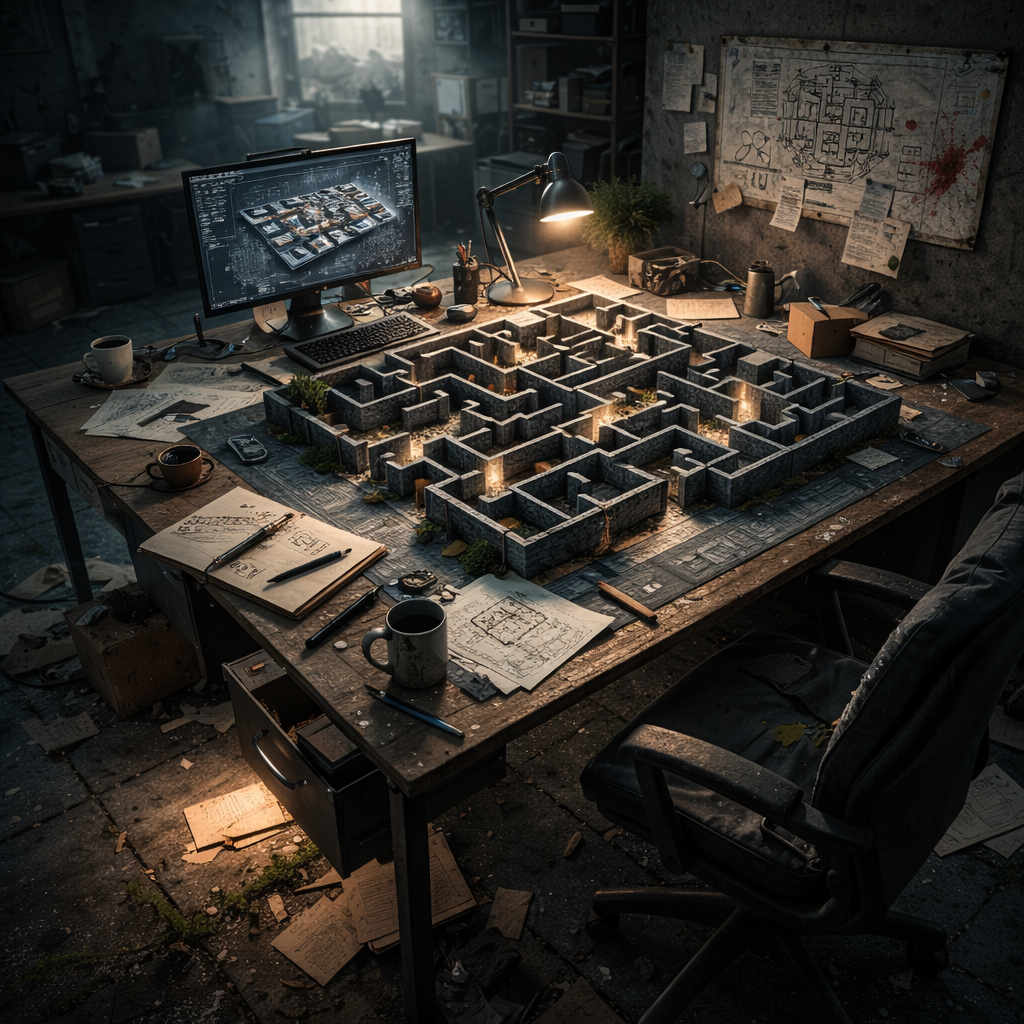
Overview This week focused on pushing the project forward from core systems into a more playable loop and a cleaner front-end experience. I expanded the decal painting system with color selection and improved HUD feedback, while also making major upgrades to the procedural maze flow—start/end placement, spawn handling, and better in-level generation control. Midweek, I…
-
Maze Dev log – Week 1
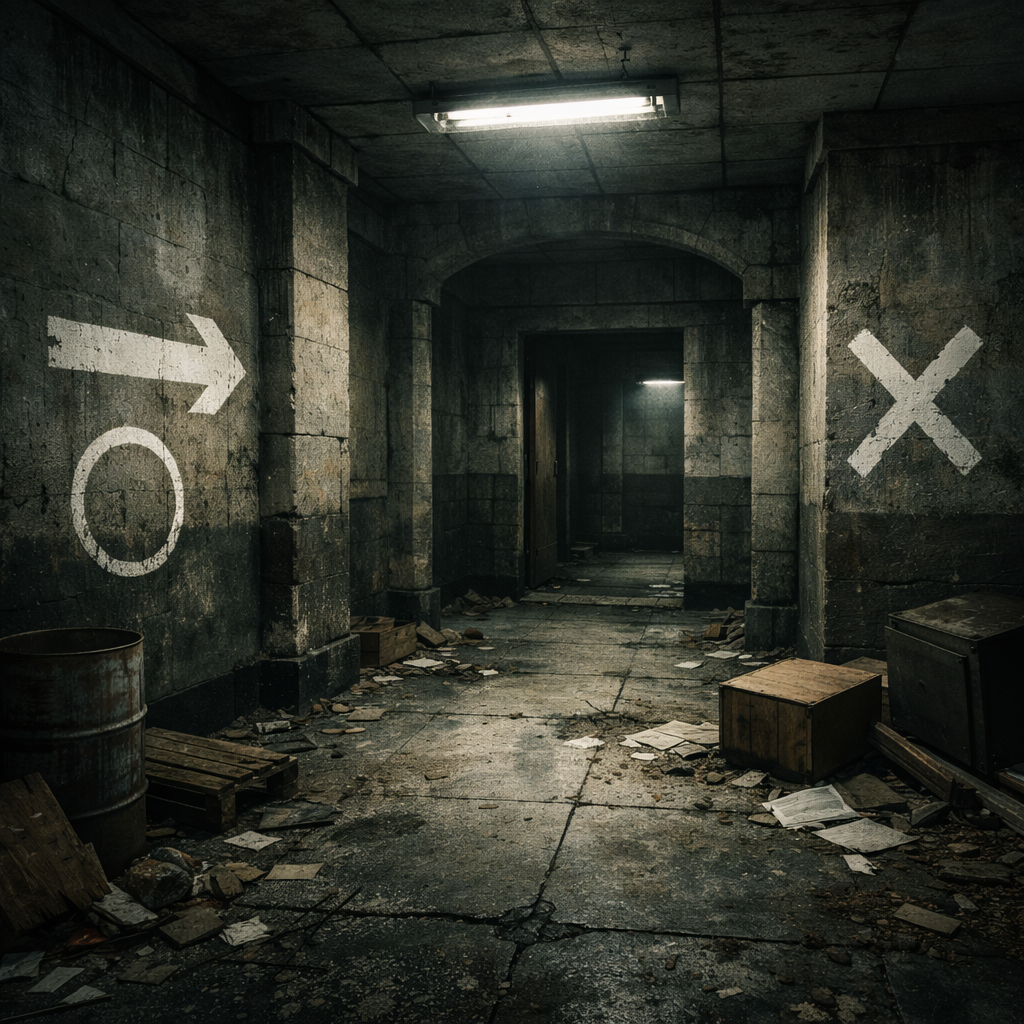
Overview This week marked the beginning of Project : Maze, with the implementation of its two core foundational systems: the procedural maze generation system and the player decal placement system. The maze system now generates modular rooms using Unreal Engine’s PCG framework, enabling the creation of structured but randomized maze layouts with a defined solvable…
-
How To – Create a simple In-Game decal system
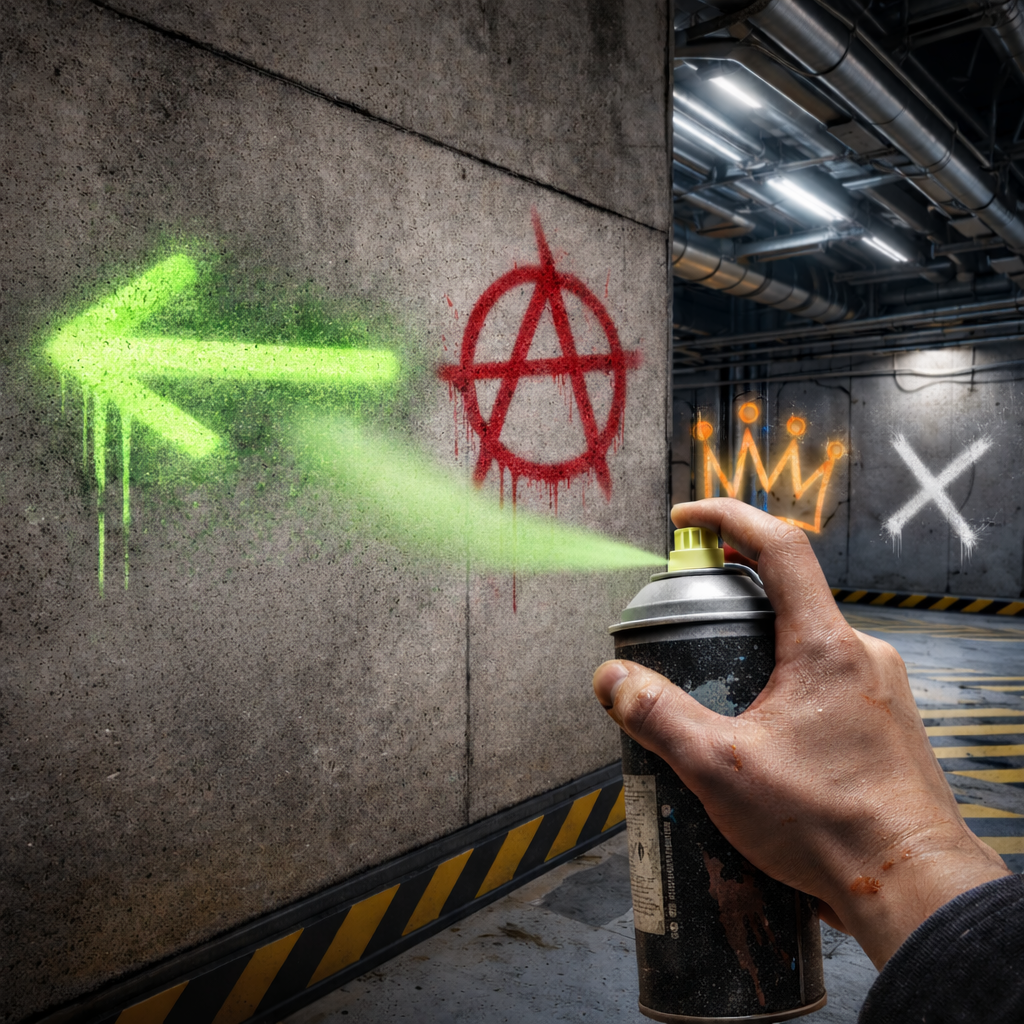
What you’re building & why This guide documents a reusable runtime decal placement and removal system. The goal is to allow players to place decals on surfaces using line traces, and remove them by looking at them and triggering an input. This system is built to be reusable across projects, easy to extend, and safe…
-
How To – Create a simple plugin in Unreal Engine 5
What you’re building & why This guide explains how to create a simple content-only plugin in Unreal Engine 5, and how to reuse it across multiple projects by pointing Unreal to an external plugin directory. The goal is to: A content-only plugin is the cleanest way to share gameplay building blocks without introducing code or…
-
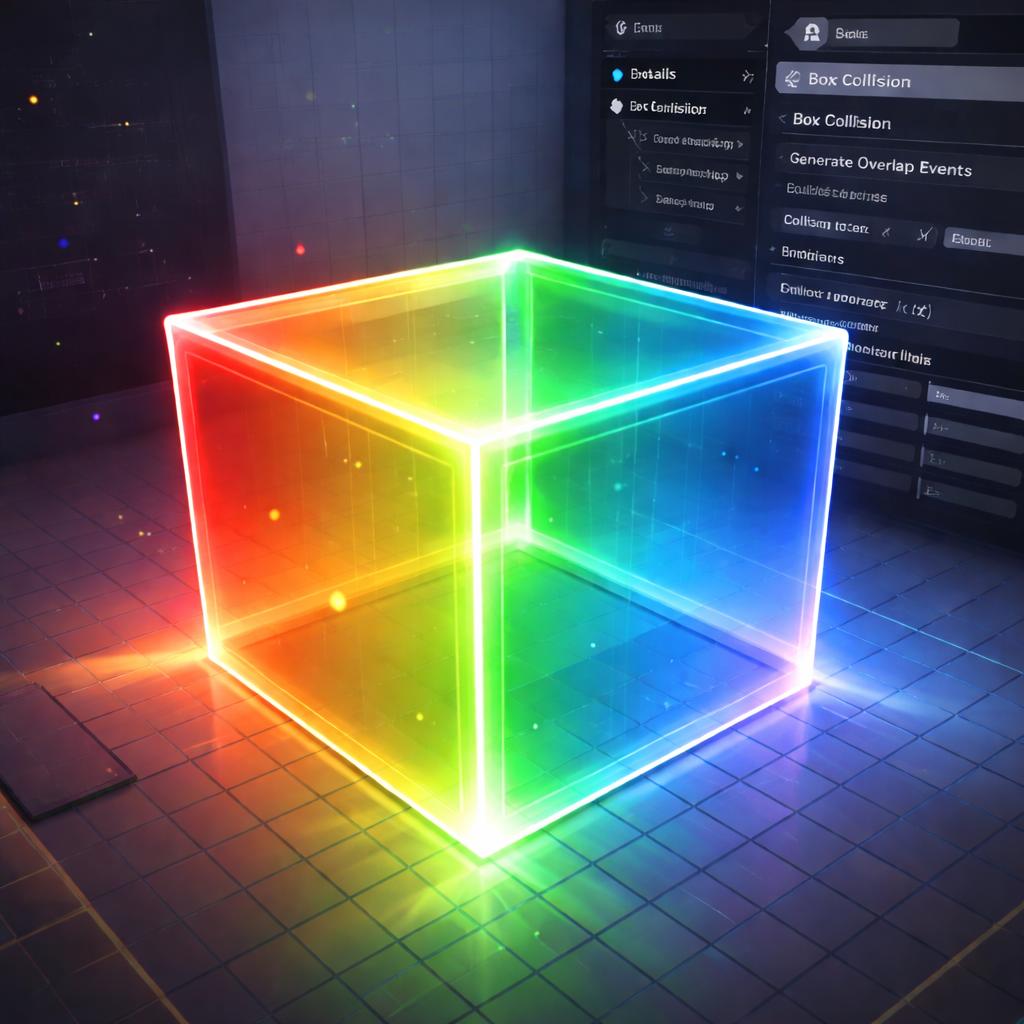
How To – Reusable Overlap Box Blueprint
What you’re building & why This guide covers the creation of a simple, reusable, multifunctional overlap box that can be dropped into any level to drive gameplay logic through overlaps. The goal is to provide a clean, designer-friendly Blueprint that: The result is a single reusable actor that acts as a signal emitter, not a…
-
Good to Know – Substrate vs Legacy Materials in Unreal Engine 5
In Unreal Engine 5.7, Substrate becomes the default material system for new projects — a modern, physically based framework designed to replace the older legacy material model. Substrate represents surfaces as slabs of matter, giving artists more realistic control over how light interacts with materials, and making layering and blending more expressive. Why would you…
-
Good To Know – Blueprint Common Nodes
This post exists as a quick reference guide to the most commonly used Unreal Engine 5 Blueprint nodes. Each entry provides a short, practical explanation and a few common use cases, designed to be glanced over when you need to refresh your memory on what’s available, without digging through documentation or tutorials. Use this page…
-
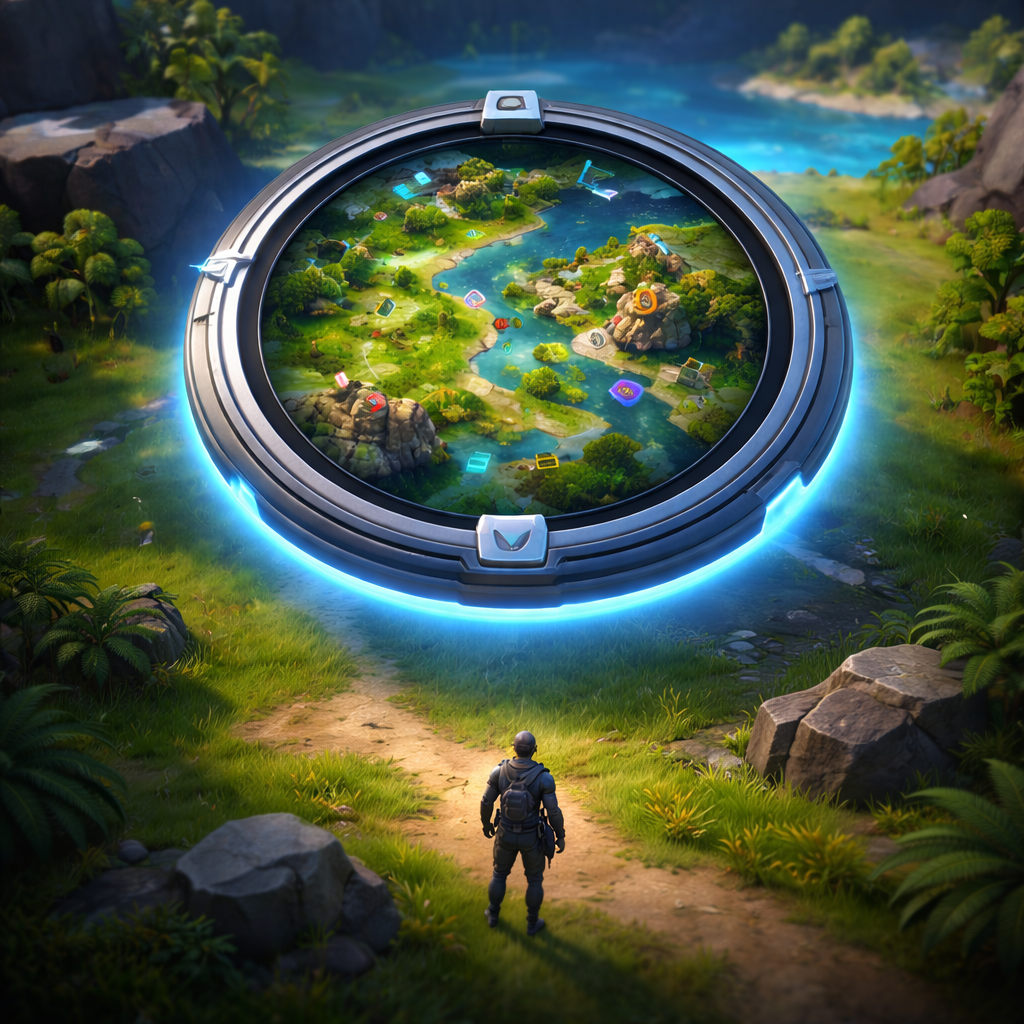
How To – Building a Modular Minimap in Unreal Engine
What you’re building & why This guide walks through a modular minimap architecture built around a Child Actor Component, where: – The minimap camera logic lives in its own Actor – Any character can opt into having a minimap – UI is owned by the HUD / PlayerController layer – Core behavior is data-driven and…
-

Shutdown Protocol — Project Wrap-Up & Lessons Learned
Shutdown Protocol — Project Wrap-Up & Lessons Learned With Shutdown Protocol now fully completed, packaged, and documented, this final dev log serves as a retrospective on the project. Rather than detailing another set of tasks, this entry focuses on what the project taught me—both technically and process-wise—and what I will carry forward into future, larger-scope…
-
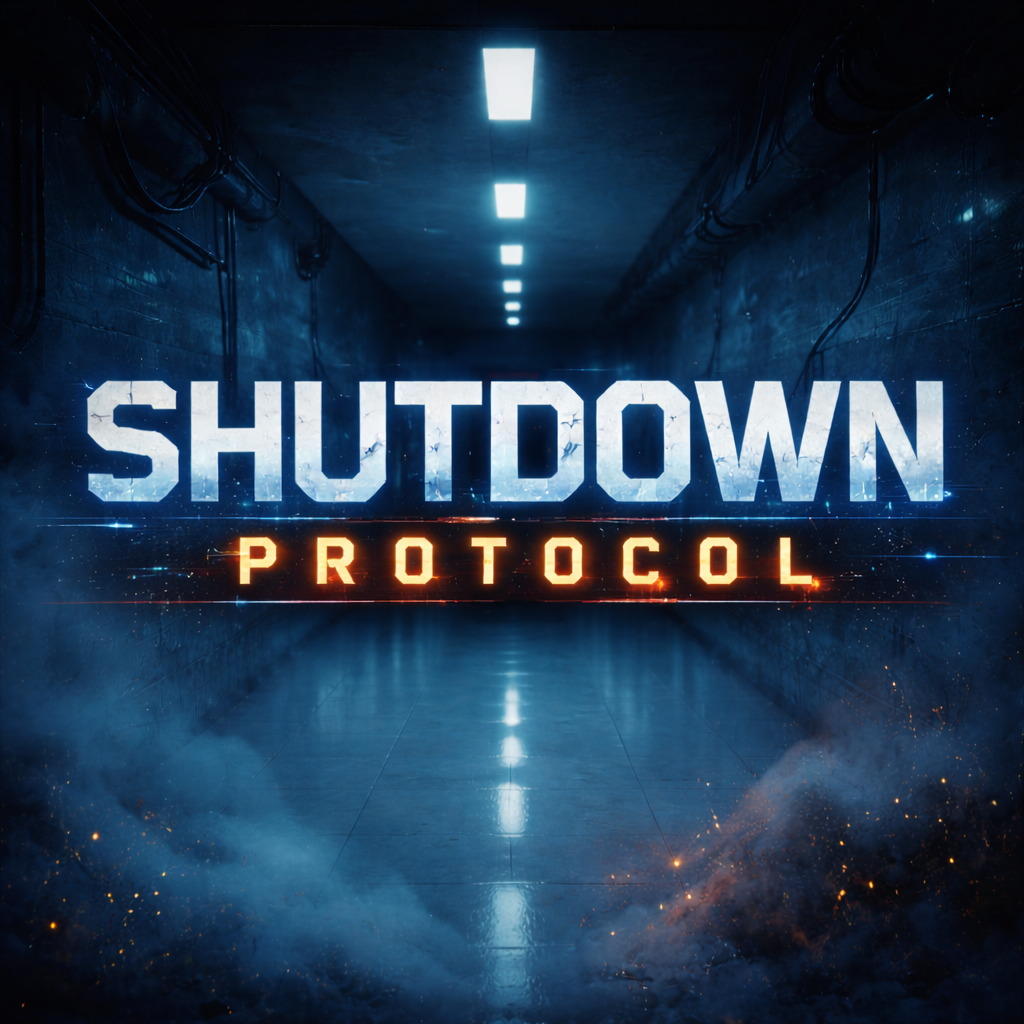
Shutdown Protocol Dev log – Day 18 – Release
Dev log – Day 18 – Release Summary Day 18 was focused entirely on finalizing Shutdown Protocol for submission and release. The work centered on producing and validating both a Development test build and the final Shipping distribution build, resolving last-minute performance and presentation issues discovered during verification, and completing all required documentation deliverables. The…
-
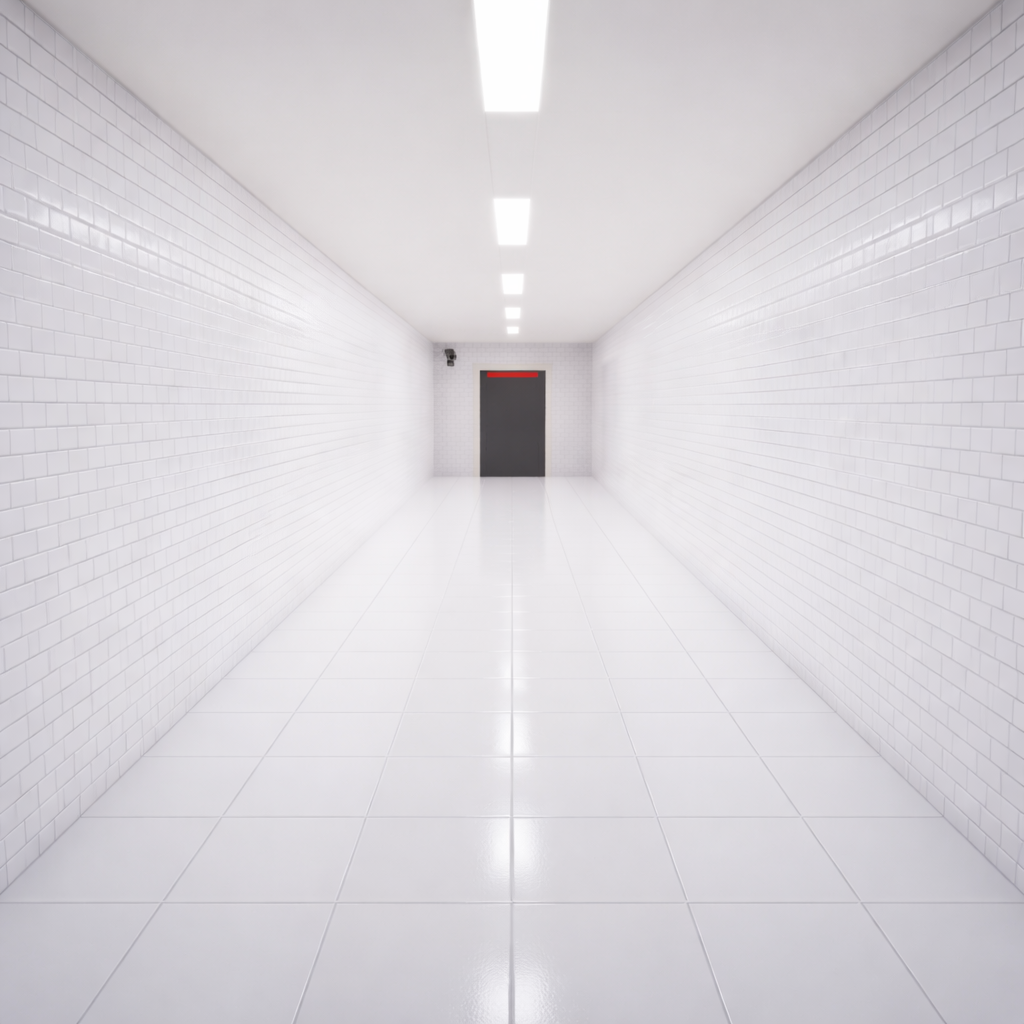
Shutdown Protocol Dev log – Day 17
Devlog – Day 17 Summary Today’s work focused on bringing the experience to a more finalized, cohesive state across environment, atmosphere, UI flow, and last-minute fixes. The bulk of the day was spent polishing visual presentation, reinforcing the end-of-game sequence, and eliminating immersion-breaking issues such as debug output and unclear interaction prompts. Together, these changes…
-
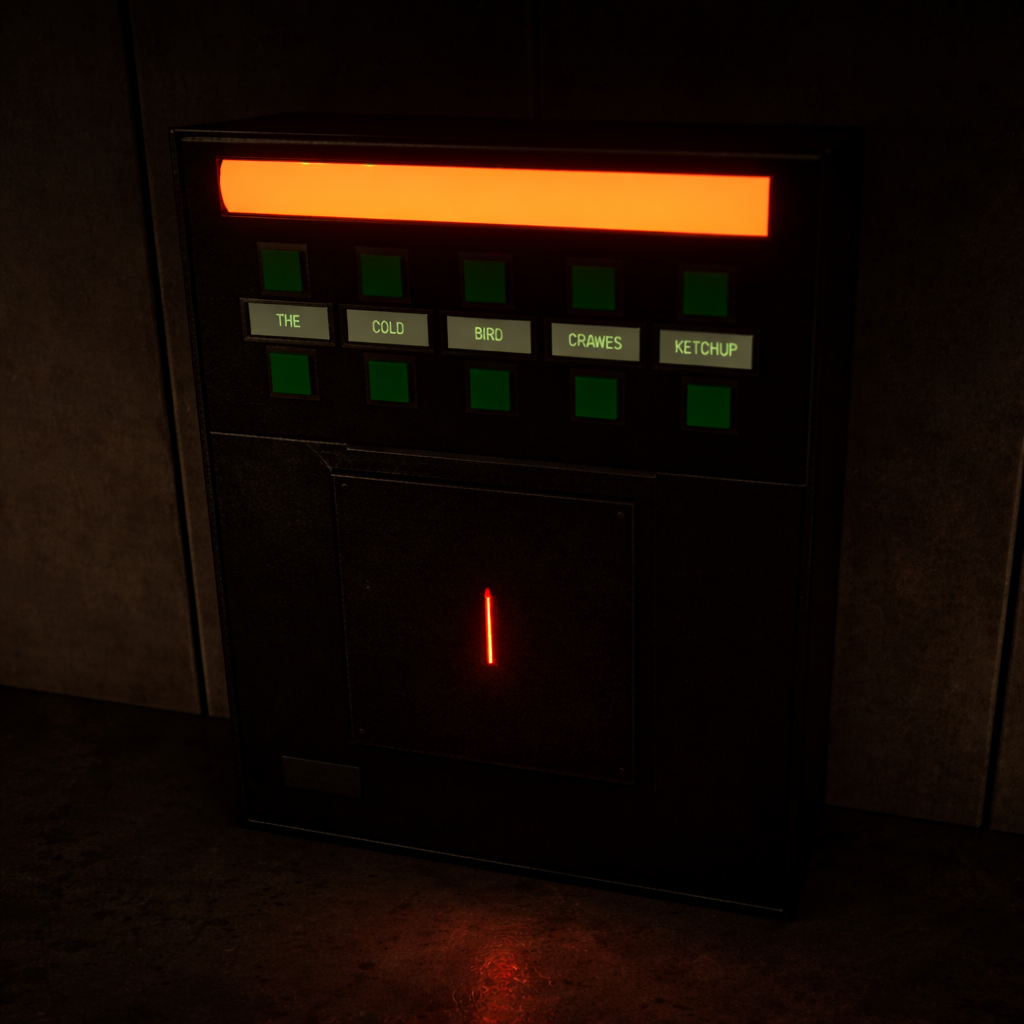
Shutdown Protocol Dev log – Day 16
Devlog – Day 16 Summary Today focused on polishing and hardening interaction feedback across Rooms 1–2. I replaced player-facing Print String LookAt output with a centered HUD widget (with proper set/clear behavior), tightened LookAt targeting to eliminate false positives, and ensured the Room 1 keypad UI always has a clean exit path with correct focus…