
Dev log – Day 10
Summary
Today was focused on two things: (1) building a reusable “inspect-style” environmental clue pipeline in Room 1 (in-world prop → interact → full-screen readable popup → clean close + input restore), and (2) continuing a Room 1 visual pass by upgrading key interactive devices (monitors, fuse/switch panels, and connected components) while validating collision/interaction safety and running a full playthrough to confirm no regressions across Puzzles A, B, or C.
What I Worked on Today
Room 1 – Environmental Clues (Workbench Note + Power Flow Diagram)
Intent
Implement the physical and interactable Room 1 environmental clues that support Puzzle A and Puzzle C, ensuring both are readable in-world and open a clean, readable UI popup on interact.

What Actually Happened
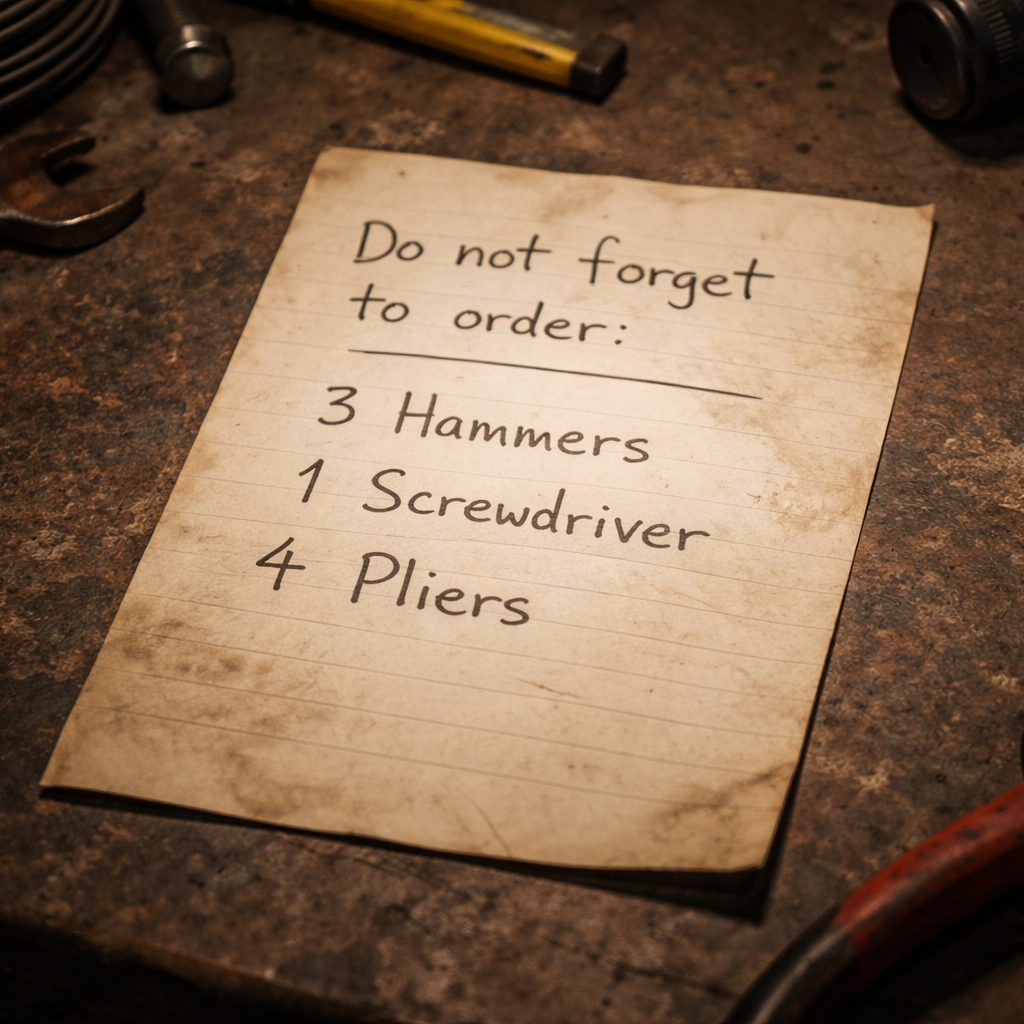
I built a reusable clue system by creating a clue-note actor and a full-screen popup widget that displays a passed-in texture. The workbench note was wired so interacting spawns the popup, switches input to UI for readability, and restores game input cleanly on close. In parallel, I placed the Power Flow diagram poster in Room 1 and added the same interaction-to-popup behavior for it. I verified the UI opens/closes without breaking interaction/input state and ran a full Room 1 playthrough to confirm no regressions across Puzzles A, B, or C.

Accomplished
- [STEP] Created
BP_ClueNote_L1Aactor (child ofBP_Trigger) for Room 1 clue interaction (LookAt: “Read Note”, Interact: open clue UI) - [STEP] Created
WBP_CluePopupwidget withTexture2Dinput (ClueTexture) to display readable clue artwork full-screen - [STEP] Created
BP_ClueNote_L1Awith a paper mesh and instance-editableClueTexturefor per-note content - [STEP] Implemented
BP_ClueNote_L1AInteract to spawnWBP_CluePopup, passClueTexture, and switch input to UI for readable clue viewing - [STEP] Added close flow to
WBP_CluePopup(Close button + Q) and restored game input on exit, clearingBP_ClueNote_L1AbIsOpen - [TEST] Verified Room 1 clue note opens a readable UI popup on interact and closes cleanly without breaking interaction/input state
- [STEP] Placed the Power Flow diagram poster on a Room 1 wall and verified it is visually readable and clearly communicates component order in-world
- [STEP] Implemented interaction on the Power Flow diagram so interacting opens a readable UI popup displaying the diagram clearly
- [TEST] Completed a full Room 1 playthrough and confirmed no regressions in Puzzles A, B, or C after adding environmental clues and visual upgrades


Why This Matters
- Establishes a repeatable “inspect-style” clue pipeline (in-world prop → popup texture) that can be reused for future notes/diagrams.
- Improves puzzle readability without changing puzzle state or progression.
- Confirms the new UI/input flow doesn’t regress Room 1’s existing puzzle loop.


Level 1 – Room 1 – Visual Pass (Monitors, Panels, Environmental Clues)
Intent
Improve visual clarity and mood in Room 1 by upgrading monitors, panels, and environmental clue presentation while preserving all existing puzzle logic.


What Actually Happened
Room 1’s monitor visuals were upgraded first to improve readability and mood. The Fuse Panel and Switch Panel were updated with new meshes/textures while keeping Puzzle B and Puzzle C behavior intact. Connected components (camera, alarm, and door power box) were then updated for consistency. Finally, collision/interaction behavior was verified, followed by a full Room 1 playthrough to ensure no regressions in Puzzles A, B, or C.

Accomplished
- [STEP] Upgraded Room 1 monitors with improved meshes, materials, and clearly readable indicator lights to enhance visual clarity
- [STEP] Updated the Fuse Panel mesh and texture in Room 1 to improve visual fidelity while preserving existing Puzzle B functionality
- [STEP] Updated the Switch Panel mesh and texture, and upgraded all switch meshes and textures to improve visual fidelity while preserving Puzzle C behavior
- [STEP] Updated the camera component mesh and texture to improve visual clarity and consistency with Room 1’s upgraded props
- [STEP] Updated the alarm component mesh and texture to improve visual clarity and consistency with Room 1’s upgraded props
- [STEP] Updated the door power box mesh and texture to improve visual clarity and consistency with Room 1’s upgraded props
- [TEST] Verified all upgraded visuals preserve correct collision, interaction prompts, and puzzle behavior across Room 1
- [TEST] Completed a full Room 1 playthrough and confirmed no regressions in Puzzles A, B, or C after the latest visual updates

Why This Matters
- Improves readability and “functional” clarity of critical puzzle devices without risking gameplay regressions.
- Establishes a consistent visual fidelity baseline across interactive components in Room 1.
- Confirms the upgraded look remains safe with collision + interaction + full-room gameplay flow.

Technical Notes
- The clue system is driven by passing a
Texture2D(ClueTexture) intoWBP_CluePopup, enabling a reusable pattern for readable “inspect” content. - Closing the clue popup restores game input and clears the clue note’s
bIsOpenstate (Close button + Q), keeping interaction/input state stable. - Visual upgrades were validated with collision/interaction checks and an end-to-end Room 1 playthrough to ensure puzzle safety.
Challenges & Lessons Learned
- UI readability work must be paired with rigorous input-mode handling; the clue popup needed a reliable close path that restores game input cleanly to avoid breaking interaction flow.
- Visual iteration on puzzle-critical props needs continuous regression testing (collision/interaction + full-room playthrough) to keep “better looking” changes from becoming gameplay issues.
Next Steps
- Reuse the “in-world clue → popup texture” pipeline for additional notes/diagrams as new environmental clues are added.
- Continue pushing Room 1’s visual baseline on interactive devices while preserving puzzle behavior, with collision/interaction verification after each pass.
- Keep running full Room 1 playthroughs after major UI/visual changes to confirm no regressions across Puzzles A, B, and C.