
Overview
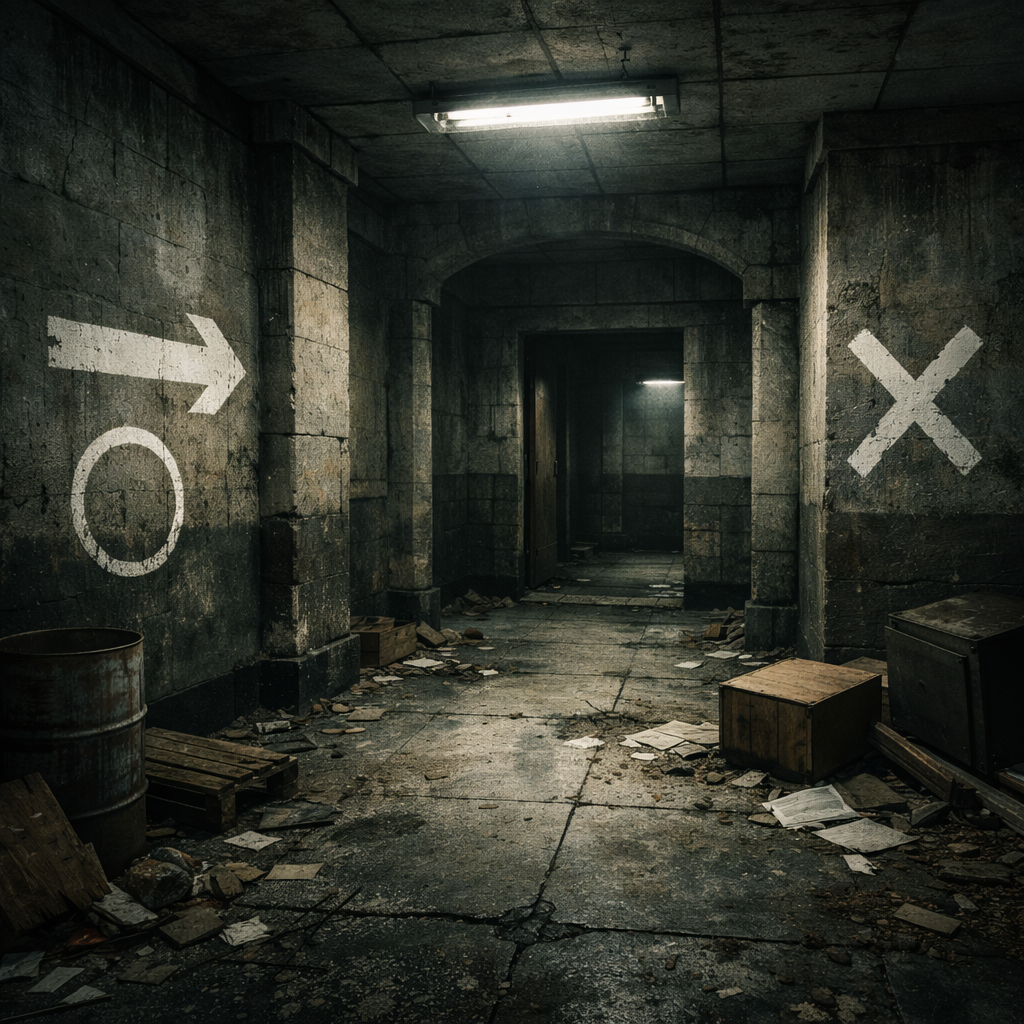
This week marked the beginning of Project : Maze, with the implementation of its two core foundational systems: the procedural maze generation system and the player decal placement system. The maze system now generates modular rooms using Unreal Engine’s PCG framework, enabling the creation of structured but randomized maze layouts with a defined solvable path. Alongside this, a player-driven decal system was introduced, allowing players to place navigation markers such as circles, lines, arrows, and X symbols on walls and floors. These systems establish the technical backbone of the project, enabling procedural level creation and player-driven navigation. Overall, this week represents the transition from concept to functional prototype, with the core pillars of the game now operational.
Major Accomplishments
- Implemented a modular procedural maze generation system using PCG and level instances
- Established a spline-based solved path between maze start and end points
- Integrated automatic doorway closure for exterior maze walls using PCG logic
- Created a fully modular room construction workflow using reusable wall, column, and floor assets
- Implemented a player decal placement system with selectable shapes and rotation
- Enabled decal placement and removal functionality for player navigation marking
- Integrated maze room partitioning system to limit active rooms to a 3×3 grid (9 rooms loaded at a time)
Systems Developed or Updated
Procedural Maze Generation System
• Generates maze layouts using premade modular rooms converted to level instances
• Uses Unreal Engine’s PCG system to spawn rooms on a grid and assemble the maze layout
• Uses a spline to define and guarantee a valid solved path between start and end points
• Automatically closes exterior doorway openings to maintain proper maze boundaries
• Modular asset workflow using reusable wall and column components ensures consistency
• Maze is partitioned so only nearby rooms remain loaded, improving performance and scalability
• Start and end points are currently manually placed, with plans for procedural placement in future iterations
Current state: Functional (core generation working, expansion and automation planned)


Player Decal Placement System
• Allows players to place visual markers on walls and floors for navigation
• Uses predefined decal shapes including circle, line, arrow, and X symbols
• Players can select decal type, rotate decals, and place or remove them dynamically
• Enables emergent navigation strategies by allowing players to create their own symbolic language
• Forms the foundation of a player-driven navigation assistance system
Current state: Functional (color selection, optimization, and partition integration planned)

Problems Encountered and Solutions
No major technical blockers were encountered this week. Development focused on initial system implementation and establishing core functionality.
Current Project State
Project : Maze is now in the early prototype phase, with its two primary pillar systems successfully implemented in functional form. The procedural maze generation system can reliably assemble modular maze layouts with guaranteed solvable paths, while the decal placement system allows players to interact with and annotate the environment. The project has moved beyond conceptual groundwork and now has a working technical foundation on which gameplay systems, visual identity, and additional mechanics can be built.

Next Week Plan
- Improve procedural maze generation logic and automation
- Begin procedural placement logic for start and end points
- Improve modular room variation and environmental detail systems
- Expand decal system functionality with player color selection
- Optimize decal system performance and integrate with maze partition system
- Begin establishing visual theme and environmental direction for the game
- Continue iterating on both core pillar systems